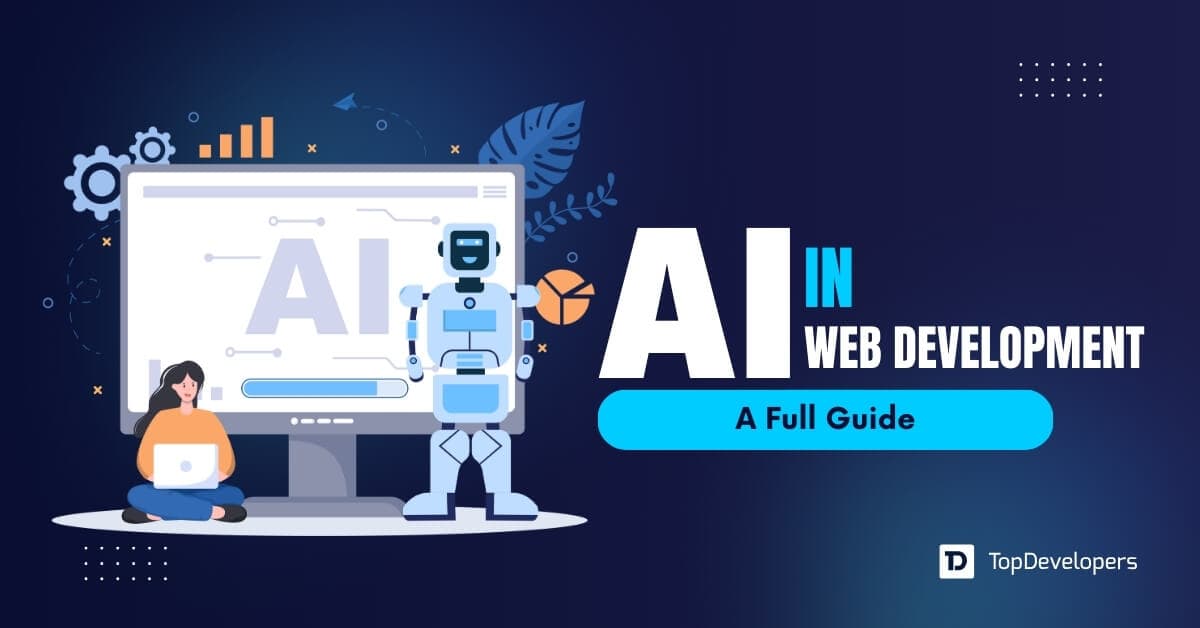
The Future of AI in Web Development: A Comprehensive Guide
This guide explores how artificial intelligence is reshaping web development through automated coding, personalized user experiences, and enhanced testing protocols. It examines the transition of developers from coders to technical architects in an increasingly automated landscape.
Introduction
The landscape of web development is undergoing a seismic shift driven by artificial intelligence. Once a niche implementation, machine learning models are now foundational tools that streamline workflows and redefine how users interact with the digital world. This evolution is not merely about replacing human effort but augmenting the capabilities of developers to build more complex, accessible, and efficient applications.
Automated Code Generation and Assistance
AI-driven development environments are moving beyond simple syntax highlighting and basic autocompletion. Modern tools can suggest entire functional components, identify logical errors in real-time, and even convert natural language descriptions into executable code. This reduction in boilerplate coding allows engineers to shift their focus from repetitive syntax to high-level system architecture and creative problem-solving.
Hyper-Personalized User Experiences
Websites are evolving from static interfaces into dynamic environments that adapt to individual behavior. By leveraging predictive analytics, developers can create platforms that anticipate a visitor's intent. This includes dynamic layout adjustments, personalized content delivery, and intelligent search functions that understand the context behind a query rather than just matching keywords. According to recent industry observations, personalized digital experiences significantly improve user retention and engagement rates.
Revolutionizing Quality Assurance
Manual testing has long been a bottleneck in the software development lifecycle. AI simplifies this by automating visual regression tests and identifying edge cases that human testers might overlook. Machine learning algorithms can simulate thousands of concurrent user interactions to stress-test applications, ensuring stability across diverse devices and network conditions without the need for massive manual testing suites.
Accessibility and Inclusive Design
AI is making the web more inclusive by automating the generation of alternative text for images, providing real-time voice-to-text capabilities, and adjusting color contrasts for visually impaired users. These automated accessibility features ensure that web applications meet international standards with minimal manual intervention, fostering a more equitable digital environment.