As 2026 approaches, web development is being reshaped by advancements in AI, distributed computing, and a strong focus on performance and sustainability. Key trends include AI-powered development tools and personalized user experiences, the widespread adoption of edge and serverless computing for speed, and enhanced frontend frameworks for optimal user and developer experiences. Furthermore, sustainable web practices are becoming crucial, alongside the expanding influence of WebAssembly for high-performance applications.
This guide explores how artificial intelligence is reshaping web development through automated coding, personalized user experiences, and enhanced testing protocols. It examines the transition of developers from coders to technical architects in an increasingly automated landscape.
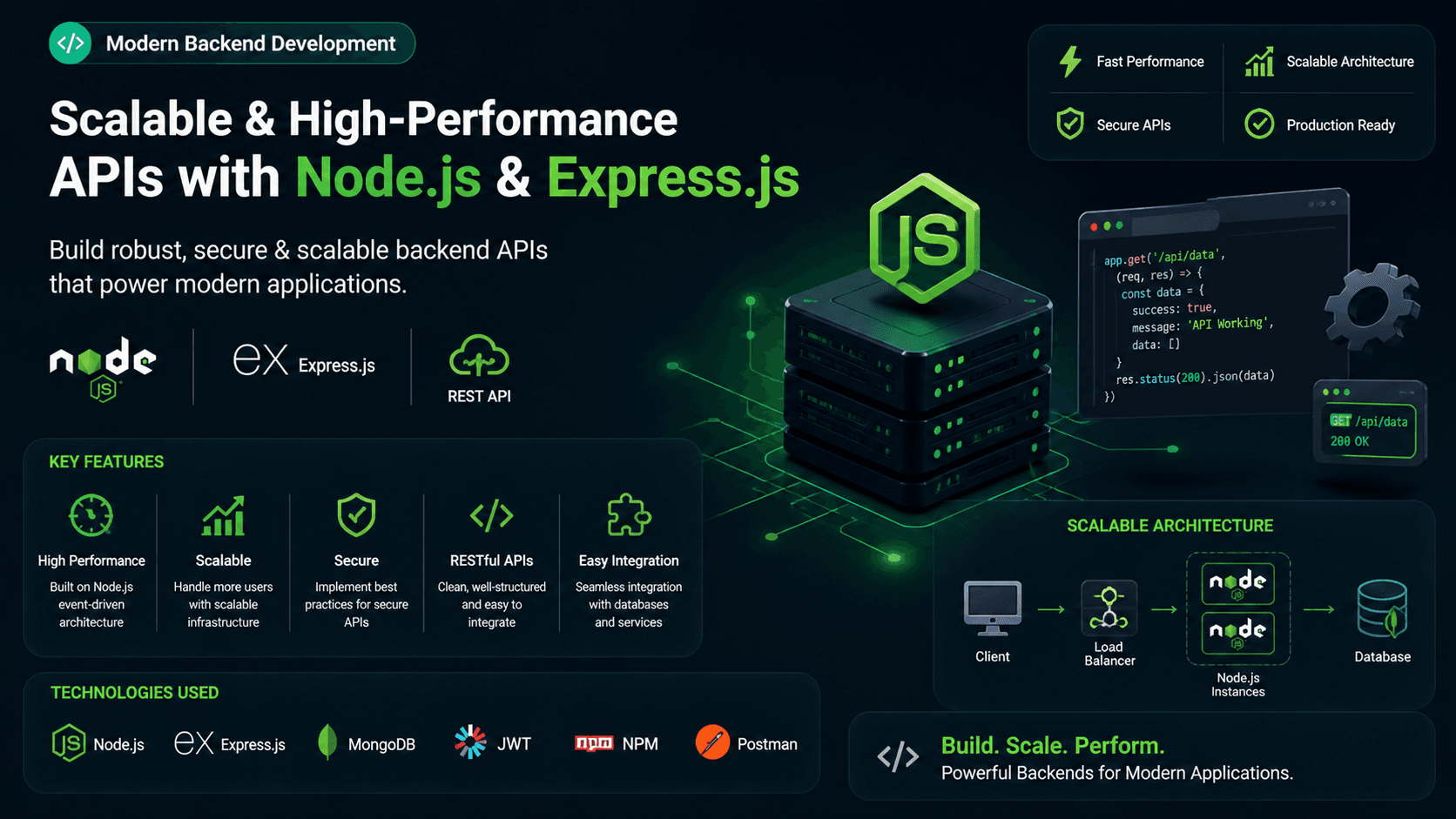
This article explores strategies for building scalable APIs using Node.js and Express. It covers why Node.js and Express are suitable for scalability, outlines core design principles like statelessness and horizontal scaling, and provides practical techniques such as Node.js clustering and implementing caching. The goal is to equip developers with knowledge to create high-performance APIs that grow with their applications.
Next.js 16.2.4 is a minor release focused on refining existing features and enhancing developer experience. This update brings optimizations to client-side hydration, improves the stability of Fast Refresh, and further enhances build-time tree shaking for leaner production bundles. Upgrading is straightforward, primarily involving updating dependencies and ensuring a clean build.

 Web Development